


by Lilly Partin
Bitcoin is a leader in the field of digital currencies, grabbing the interest of investors, IT nerds, and the general public. Understanding the complexities of Bitcoin may first appear frightening to newcomers. However, do not worry! By presenting a fundamental grasp of Bitcoin’s nature, underlying technology, and possible influence on the financial world, this in-depth beginner’s guide seeks to demystify it.

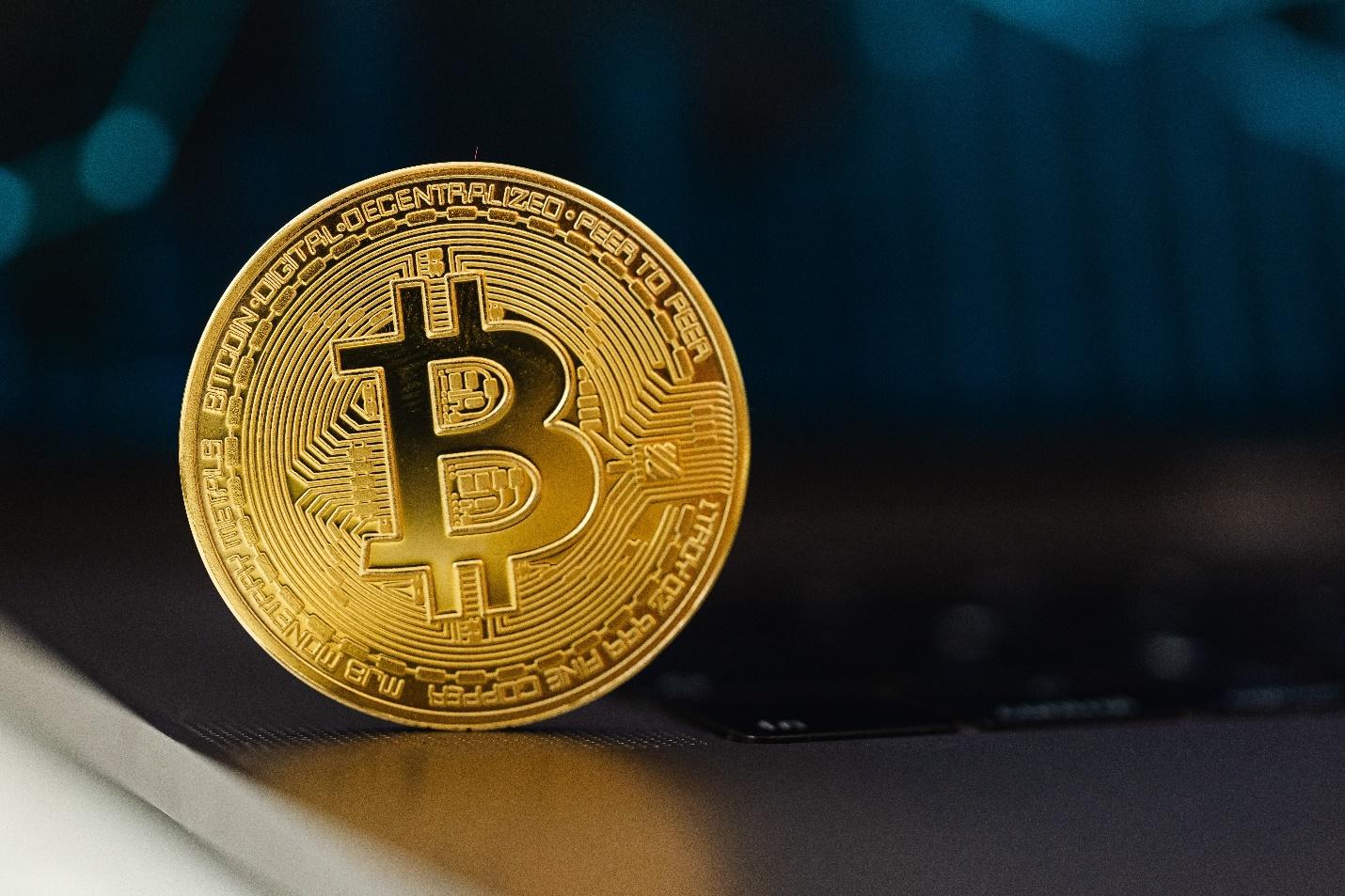
II. How Does Bitcoin Work? Bitcoin transactions are secure and resistant to fraud since they are based on cryptographic principles. Each transaction is verified by a network of computers called nodes via a procedure called mining. Powerful computers are used in mining to solve difficult mathematical puzzles and validate transactions. The transaction is added to a “block” on the blockchain when it has been confirmed, creating a chain of blocks that records the whole history of all Bitcoin transactions.
III. Benefits of Bitcoin: Bitcoin offers a number of benefits that support its rising appeal among investors and users:
a) Decentralization: In order for Bitcoin to function, there is no need for a centralized authority like a bank or government. This decentralized structure eliminates middlemen from transactions and gives people more control over their funds.
b) Security: Bitcoin transactions are extremely safe because they use encryption. The danger of fraud and identity theft is considerably reduced by the decentralized network and encryption protocols.
c) Privacy: Users can keep some amount of anonymity even though Bitcoin transactions are visible and logged on the blockchain. Users can use pseudonyms or anonymous addresses in place of disclosing personal information.
d) Global Accessibility: Bitcoin breaks down geographical barriers, enabling smooth and quick transactions throughout the world. Because of this universal accessibility, there is no longer a need for middlemen, and those without access to traditional banking services may now participate in the financial system.
IV. Getting Started with Bitcoin: Take into account the following actions when you start your Bitcoin journey:
a) Creating a Bitcoin Wallet: You may store, transmit, and receive bitcoin using a bitcoin wallet. There are many different kinds of wallets, including software wallets, hardware wallets, and web wallets. Consider your needs while choosing a wallet, keeping convenience, security, and usability in mind.
b) Buying Bitcoin: Using other cryptocurrencies or conventional fiat money, one may purchase bitcoin on cryptocurrency exchanges. To find trustworthy and safe exchanges, do some research on several marketplaces. After creating an account, you may buy Bitcoin by tying it to your bank account, credit card, or one of the exchange’s other accepted payment methods.
c) Securing Your Bitcoin: Since Bitcoin transactions are final, it is crucial to give your money’s security first priority. Consider putting these security measures in place:
– Enable two-factor authentication (2FA) on your wallet and exchange accounts.
– Store your private keys offline in a secure location, such as a hardware wallet or a paper wallet.
– Regularly update your wallet software and exercise caution to avoid phishing attempts and scams.

V. Bitcoin’s Impact on Finance: Much attention is being paid to Bitcoin’s potential to upend established banking structures. The financial environment is being impacted by bitcoin in the following ways:
Financial Inclusion: The unbanked and underbanked populace might benefit from financial services from bitcoin, especially in emerging nations where traditional banking services might not be available.
Hedge Against Inflation: Due to its scarcity and its anti-inflationary properties, bitcoin is a desirable store of value for investors looking to protect their capital.
Institutional Adoption: Institutions and businesses are beginning to take notice of bitcoin as a viable investment option. Significant investments in Bitcoin by well-known organizations like Tesla and Square reflect a rising understanding of its worth and potential.
Remittances and Cross-Border Transactions: Bitcoin is a desirable alternative for remittances and cross-border transactions because to its decentralized structure and minimal transaction costs. When compared to traditional methods, which sometimes include intermediaries and higher costs, it offers faster and more affordable transactions.
Disintermediation: The decentralized structure of bitcoin puts the conventional financial system to the test, with the potential to lessen the reliance on middlemen like banks, payment processors, and clearinghouses. For both people and corporations, this may result in more financial independence.
Innovation in Financial Services: Blockchain, the technology that underpins bitcoin, has encouraged innovation across many industries. Decentralized finance (DeFi), smart contracts, and other applications that provide fresh methods for carrying out transactions and managing financial assets have all been made possible as a result.
Conclusion
You can navigate the fascinating world of digital currencies if you have a firm grasp of Bitcoin’s basics. Even though Bitcoin has a lot of potential and advantages, it is important to use care and do your study before using it. Keep abreast of the shifting regulatory environment and be aware of the dangers this developing technology entails.
Always remember to begin modest, experiment with tiny quantities, and expand your engagement gradually as you feel more at ease. Bitcoin offers a fascinating chance to investigate a decentralized financial system that empowers people and questions established standards. Accept this new era of digital currencies and place a high priority on security and ethical investment at all times.