

….and so is work ethic and crime-free living


by Don Keelan
The 2022 elections have been recorded, the lawn posters removed, and thank goodness, the TV ads are a thing of the past. With that said, what does it mean for the next two years?
The political, social, and economic Vermont landscape is different than the one I experienced when I cast my first Vermont ballot in the fall of 1988.

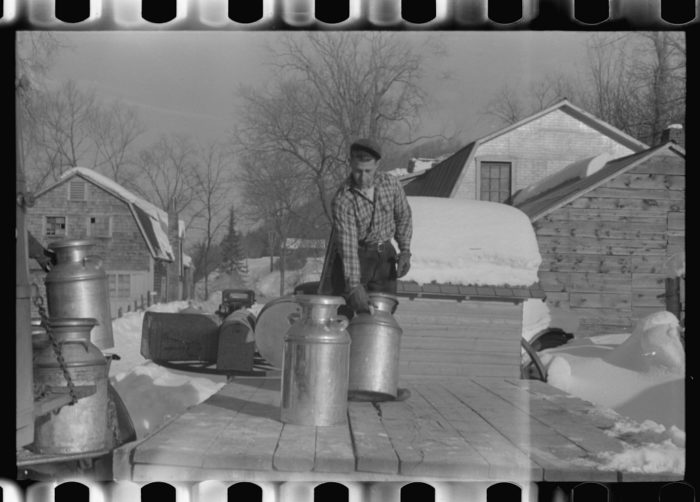

One significant difference is how self-reliant the state, towns, and citizens of Vermont once were. That is not the case today with the dependency on receiving funding from Washington to get programs, even the most basic, underway. It is not limited to State government programs; many towns and cities depend on grants to accomplish even the most minor functions that were once in the annual municipal budget.
A notable change: many citizens depend on the government and, in many cases, nonprofit organizations for food, housing, medical/dental, and addiction recovery services.
Aside from the loss of self-reliance since 1988, Vermont municipalities have also lost local control. While we may elect our school board members, the State Board of Education in Montpelier controls the taxes raised from real estate. These were once kept locally but are now funneled to Montpelier for redistribution.
Another change in the State’s economic landscape is the shortage of folks willing to work. Many areas have been impacted. A local experience is worth noting: I did not receive any mail for three days in late October. One mail driver retired, one was out sick, and the other quit. Also, it is customary to see a note on our local bank’s door: “closed for the day–lack of staff.”
There is also a critical staff shortage at local medical/mental health centers, day-care centers, police barracks, and schools. Then add food establishments and construction tradespeople. Facilities have to close their doors or shorten their hours. Vermont is incapable of providing the services it once did.
When it comes to public school education in Vermont, there are plenty in denial over the last 30-year changes: enrollment is down between 30 to 40 thousand students, costs have doubled, if not more, and the recent test scores show a student population that is close to 60% below their expected grade achievement.
However, the most disturbing change I have witnessed is increased criminal activity, from petty incidents to major crimes. No street or home in the State is immune. Illegal drugs have taken an enormous toll on the State’s younger population, its medical/mental health staff and facilities, and its treasury. This unfortunate phenomenon was almost non-existent in 1988.
The fear of crime in Vermont, specifically Burlington, was not lost on the New York Times. On November 12th, reporter Michael Corkery in a multi-page photo/essay noticed how criminal activity is the number one issue in Burlington, once one of the safest cities to retire to or visit in America. Not anymore.
The Vermont Legislature is back in session. Its makeup is the most lopsided in recent history: 25% Republicans and 75% Democrats/Progressives (three Independents.) If the “body” follows its past and projected agenda, the State will continue its downward spiral. Self-reliance, personal responsibility, and local control are no longer relevant: Montpelier knows what is best for all of us and is prepared to let us know.
Is it possible for the legislative leadership to adopt what Governor Phil Scott noted in his November 16th piece in the Rutland Herald:
“We’ll be debating the issues, which I will continue to do with civility, seeking consensus where possible, compromising when necessary, and agreeing to disagree or let the process run its course when we cannot resolve our differences.”
Vermont has evolved into two distinct places since 1988. Its cities and towns are full of despair, and its second home and ski areas are abundantly enjoyable. The Legislature should take notice.
The author is a U.S. Marine (retired), CPA, and columnist living in Arlington, VT.